بستن
0 محصول
مشاهده سبد خرید
 سروش کالا
The psychological appeal of casino games is deeply rooted in our intrinsic desire for excitement and reward. The thrill of risking something for the chance of gaining greater returns taps into our primal instincts. The surprise elements and uncertainty of outcomes can evoke a rush of adrenaline, making the gaming experience exhilarating. This excitement keeps players engaged and motivated to return for more. As many players search for the best crypto casino, it highlights the ongoing evolution of gambling in the digital age.
This desire for risk and reward can also be explained by the concept of reinforcement. When players win, even small amounts, their brains release dopamine, a neurotransmitter associated with pleasure and satisfaction. This neurotransmitter reinforces the behavior and encourages players to continue gambling in hopes of experiencing that same euphoric feeling again.
Various psychological theories explain why individuals are drawn to casino games. One prominent theory is the “near-miss effect,” where players feel a sense of achievement when they come close to winning, even if they ultimately do not. This sensation can be more motivating than a loss, reinforcing the desire to keep playing. Such experiences create a cognitive bias, leading players to perceive their chances of winning as more favorable than they truly are.
Additionally, concepts like the “illusion of control” play a significant role. Many players believe that their skill or decisions can influence the outcome, even in games of pure chance. This belief enhances their engagement, making them feel empowered as they try different strategies, ultimately increasing their overall spending in casinos.
Casino environments are often social spaces where people gather, share experiences, and create connections. The communal aspect of gaming can enhance the enjoyment and encourage longer play sessions. Engaging with others can amplify the emotional highs and lows associated with wins and losses, making the overall experience more rewarding.
Social reinforcement also plays a part in why individuals continue to gamble. Players often share their wins with friends and family or boast about their gaming strategies, creating a sense of community. This communal validation can further motivate individuals to play, intensifying their emotional investment in the games.
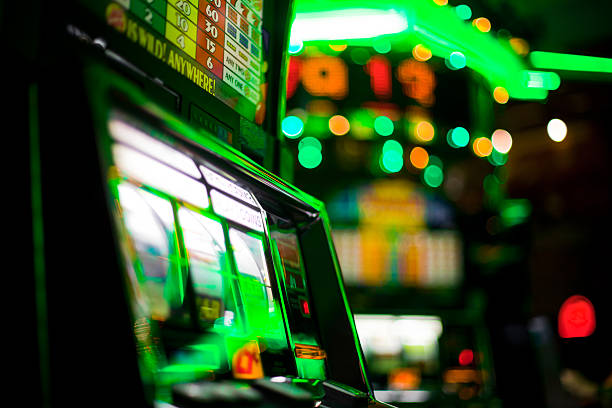
The design of casino games is meticulously crafted to cater to psychological tendencies. Bright lights, enticing sounds, and the layout of gaming spaces are all strategically implemented to enhance engagement. These sensory elements are designed to stimulate excitement and draw players deeper into the experience, often leading to prolonged play.
Moreover, game mechanics such as variable reward schedules keep players engaged. By providing rewards at unpredictable intervals, the anticipation builds, leading to increased investment in both time and money. This manipulation of psychological triggers is a crucial aspect of why people are drawn to and often become absorbed in casino gaming.
Tastynalder.com is committed to providing its users with a secure and enjoyable online experience, especially when exploring gambling topics. While engaging with casino content can spark interest, the site emphasizes the importance of responsible gambling and understanding the psychological factors at play.
For those encountering issues accessing the site due to security protocols, contacting the site owner can provide assistance. Tastynalder.com aims to ensure users can access valuable information while maintaining a safe online environment.
در زیر میتوانید پاسخ سوالات خود را بیابید. در غیر این صورت از ما بپرسید، ما همیشه به سوالات شما پاسخ خواهیم داد. (جهت ویرایش این قسمت به پیکربندی پوسته > تب متفرقه > سوالات متداول مراجعه نمایید.)