

بستن
0 محصول
مشاهده سبد خرید
 سروش کالا
A damaged liver can impair the body’s ability to produce clotting factors, which can result in a clotting disorder called purpura. Purpura is caused by small skin hemorrhages and presents as red or purple spots that do not fade when pressed. This can occur on the legs, arms, and other https://ecosoberhouse.com/ parts of the body, and it is a serious sign of advanced liver disease related to chronic alcohol use. Continued investigation will also help clarify misconceptions surrounding rhinophyma, including the association with alcohol consumption.
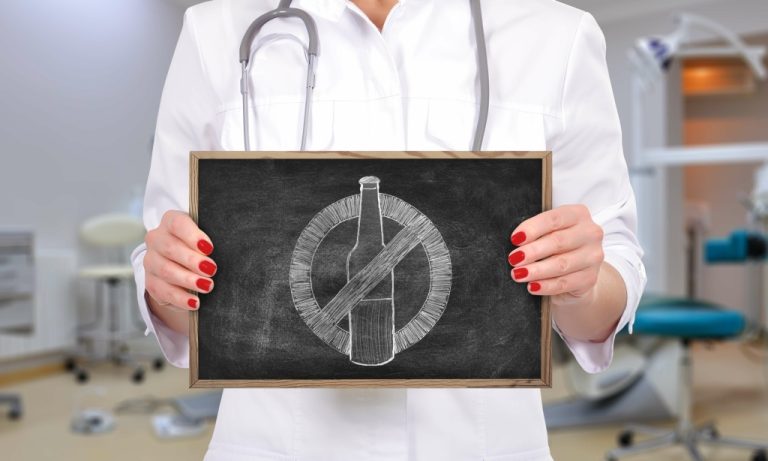
Depending on the level of disfigurement and patient discomfort, treatment of rhinophyma can include medication with or without surgery. Before beginning treatment, a physician may take a biopsy to ensure the disfigurement is not due to cancerous growth instead of simple inflammation from rosacea. Rhinophyma develops over many years, making the nose appear tuberous or bulbous with red discoloration.
The “alcoholic nose,” often referred to as a “whiskey nose,” “gin nose,” or “gin blossom nose,” is a term popularized by the American actor W.C. While the term “alcoholic nose” has become a part of pop culture, the medical term for this condition is rhinophyma, which is not caused by alcohol consumption. Rhinophyma is a severe form of rosacea, a genetic skin condition that affects certain individuals regardless of their drinking habits. Alcohol can trigger or worsen rosacea symptoms, but it is not the underlying cause. The primary cause of the swollen, discolored nose commonly attributed to alcoholism is rhinophyma, which is actually a subtype of the chronic inflammatory skin disease known as rosacea.
Dermabrasion involves removing the top layers of thickened skin to create a smoother surface. Laser therapy using CO2 or erbium lasers can precisely remove excess tissue while promoting healing. Further supporting the genetic contribution to rosacea is a study by Popkin et al. in 2015, which surveyed monozygotic and dizygotic twins.

Research suggests that individuals with a family history of rosacea are significantly more likely to develop the condition themselves. Alcohol nose, medically known as rhinophyma, is a condition characterized by an enlargement of the nose due to the thickening of the skin and changes in the underlying blood vessels. This condition often arises in individuals with chronic alcohol consumption, as the body’s response to alcohol absorption can lead to considerable alterations in nasal tissue. From a medical perspective, rhinophyma is considered a subtype of rosacea, a chronic inflammatory skin disorder. Patients presenting with symptoms of rhinophyma should consider seeking medical advice, as the condition can be indicative of broader issues related to alcohol use.
Environmental triggers are highly individual, meaning that what affects one person may not affect another. Identifying personal triggers is essential in managing the condition effectively. Keeping a diary of flare-ups and potential triggers can help pinpoint Halfway house what environmental factors contribute to your symptoms.
However, modern medical research has revealed that rhinophyma is primarily a severe form of rosacea, a genetic skin condition that affects certain individuals regardless of their drinking habits. While alcohol can trigger or aggravate rosacea symptoms in susceptible individuals, it does not cause the underlying condition. Rhinophyma is believed to be a rare but severe manifestation of inflammatory rosacea, characterised by overgrown and enlarged sebaceous tissue that produces oil. This tissue overgrowth can lead to significant facial disfigurement, emotional suffering, and even serious ocular complications.
It is important to remember that rhinophyma cannot be reversed with lifestyle changes alone once it has developed, but it can be improved and symptoms of rosacea can be reduced. Once the signs of an alcoholic nose are present, it is difficult to make them go away without the use of certain treatments. This means that in someone who already has rosacea, heavy drinking may cause the rosacea to become more severe and they may then develop symptoms like rhinophyma. Rhinophyma is a type of skin disorder that is considered to be a subtype of rosacea.
Though rhinophyma is not caused by alcohol misuse, if you or a loved one are concerned about your drinking and other potential health effects, help is available. Take our alcohol assessment to assess your drinking habits or contact a treatment provider to explore your treatment options. Only surgery can fix the deformity after rhinophyma has progressed alcoholic nose to a certain level. ENT surgeons are versed in multiple techniques that can reduce the overgrowth of tissue while preserving the underlying cartilage.
Furthermore, tamoxifen has been investigated for its potential to modulate fibrogenic cytokines like transforming growth factor-β2 (TGF-β2), which are implicated in the pathogenesis of rhinophyma. These medications aim to control the symptoms and prevent further tissue hypertrophy, thereby reducing the need for surgical intervention. Additionally, the sebaceous (oil) glands in the nasal skin enlarge, leading to an oily or greasy complexion. Prominent blood vessels may also surface, exacerbating the redness and contributing to a swollen appearance. Hyperplasia of the sebaceous glands, which are responsible for oil production in the skin, is also implicated in rhinophyma’s development. This hyperactivity leads to the nose’s characteristic enlarged, nodular appearance.
در زیر میتوانید پاسخ سوالات خود را بیابید. در غیر این صورت از ما بپرسید، ما همیشه به سوالات شما پاسخ خواهیم داد. (جهت ویرایش این قسمت به پیکربندی پوسته > تب متفرقه > سوالات متداول مراجعه نمایید.)


دیدگاه های نامرتبط به مطلب تایید نخواهد شد.
از درج دیدگاه های تکراری پرهیز نمایید.